Less Noise, More Signal: Our Small AI Experiment Meets Monitoring
engineering

Less Noise, More Signal: Our Small AI Experiment Meets Monitoring

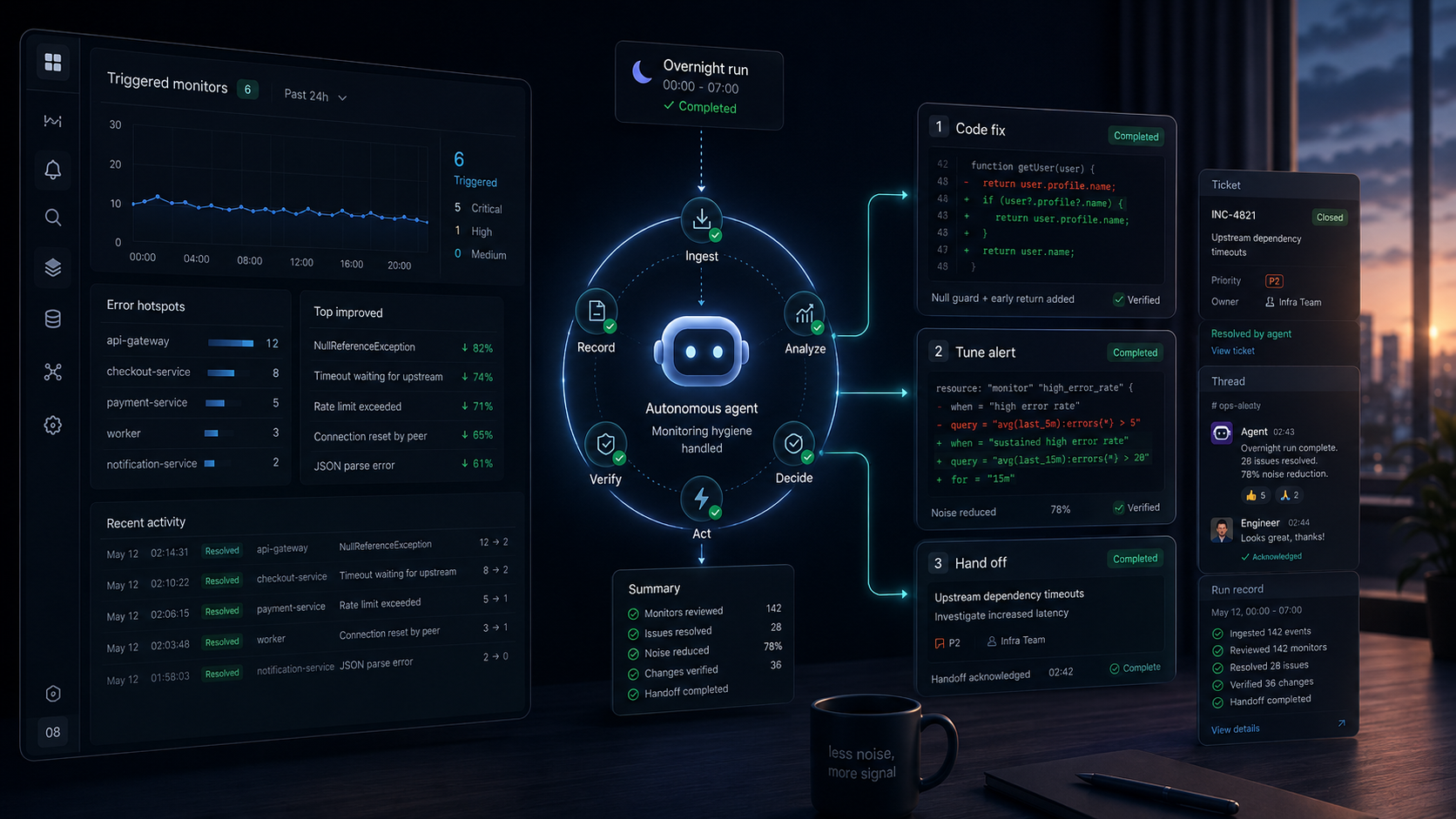
A few weeks ago two of our engineers described putting the Boy Scout Rule on a schedule — an AI agent that opens a small refactor every workday. We took the same shape and pointed it somewhere messier: our production monitoring. Here's the Datadog auto-fix playbook, the fixes it actually lands, and why we review these far more carefully than the code ones.
Jakub Svoboda
Jakub Svoboda
9 min read

Latest Posts

  • DuckDB API: Joining Databases Without Moving Them First
    data

    DuckDB API: Joining Databases Without Moving Them First

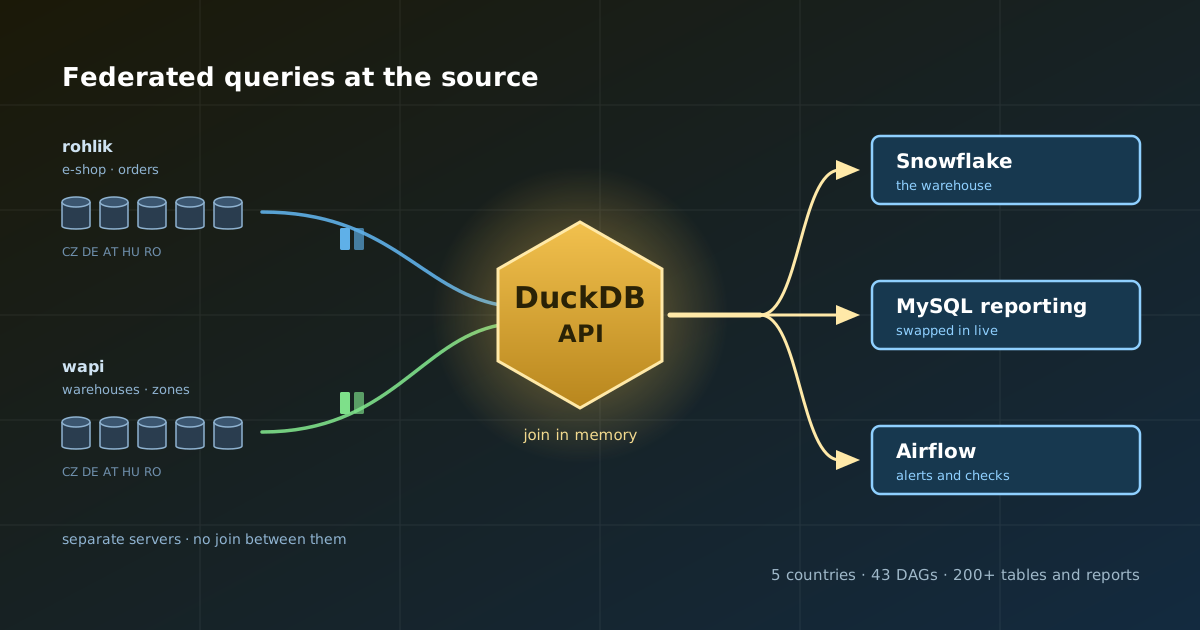
    Rohlik's operational data sits on separate MySQL servers, one per service and per country, and a report that needs two of them cannot be a view. The DuckDB API is our in-house service that joins them at the source, computes the result in memory and writes it straight to Snowflake or back into a reporting database. How it works, how it is driven from Airflow with a few lines of YAML, what the Parquet transfer engine measured in production, and the one limit that decides what we do not put on it.

    Vít Gabrhel
    Vít Gabrhel
    13 min
  • RDF: How We Move Rohlik's Data, Faster and Cheaper
    data

    RDF: How We Move Rohlik's Data, Faster and Cheaper

    Rohlik's data is spread across dozens of databases in five countries. RDF (Rohlik Data Fleet) is our in-house tool for moving it where it is needed, driven by a few lines of YAML. How it works, why we built it instead of paying for a third-party platform, and how batching and Apache Arrow (ADBC) made it six times cheaper than the platform it replaced.

    Marek Snak
    Marek Snak
    12 min
  • Reporting Pages: From Numbers to Answers to Actions
    data

    Reporting Pages: From Numbers to Answers to Actions

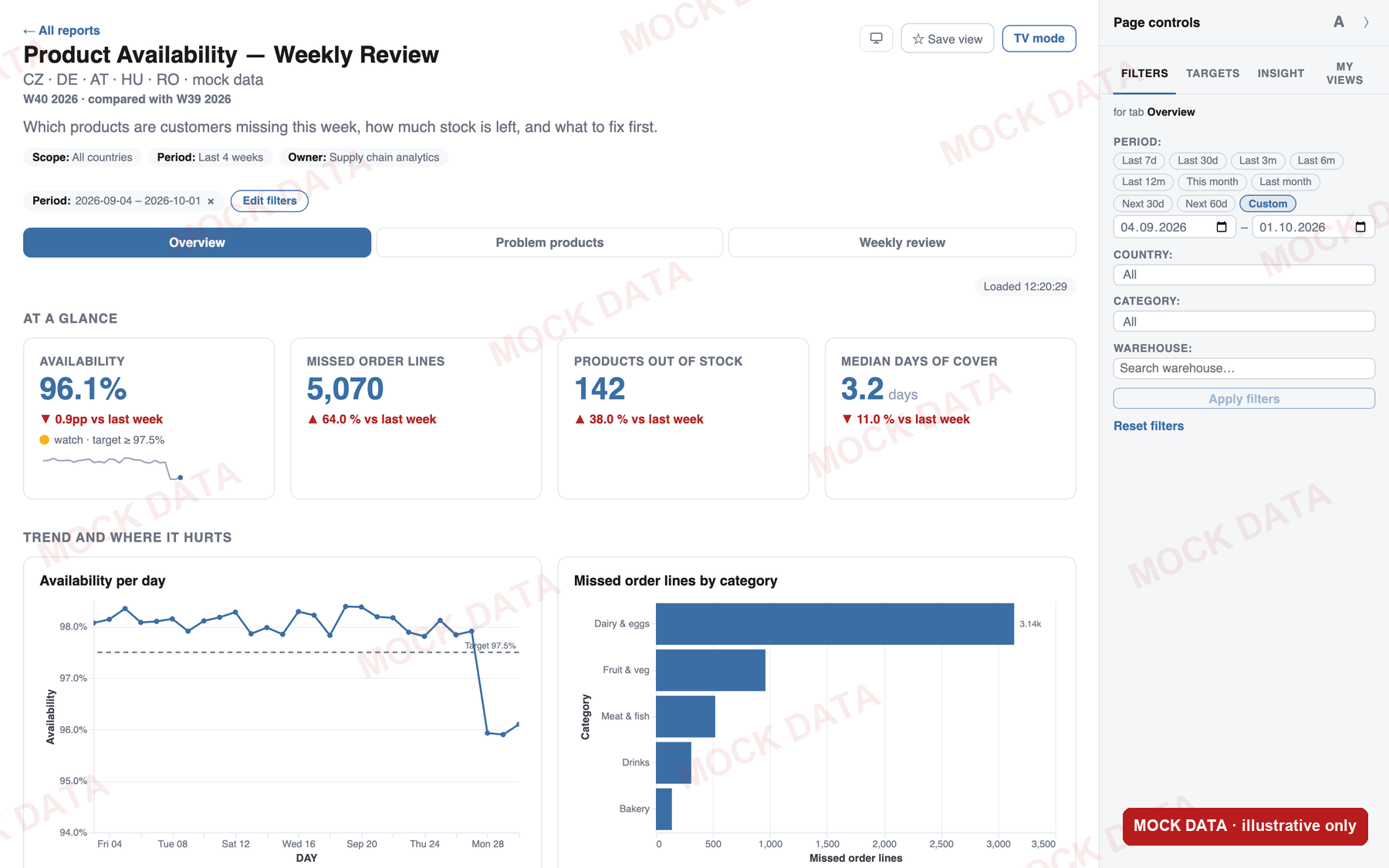
    Reporting Pages are dashboards that AI agents build for one use case: they give a final answer, show the root cause and recommend the next action. Why we built our own instead of relying on AI artifacts or our BI tool, how they sit on our semantic layer and reporting-mcp, why AI is paid for once instead of on every view, and what two months in production look like.

    Michal Huryta
    Michal Huryta
    10 min
  • Migrating a Live RabbitMQ Queue: No Loss, No Duplicates, No Downtime
    engineering

    Migrating a Live RabbitMQ Queue: No Loss, No Duplicates, No Downtime

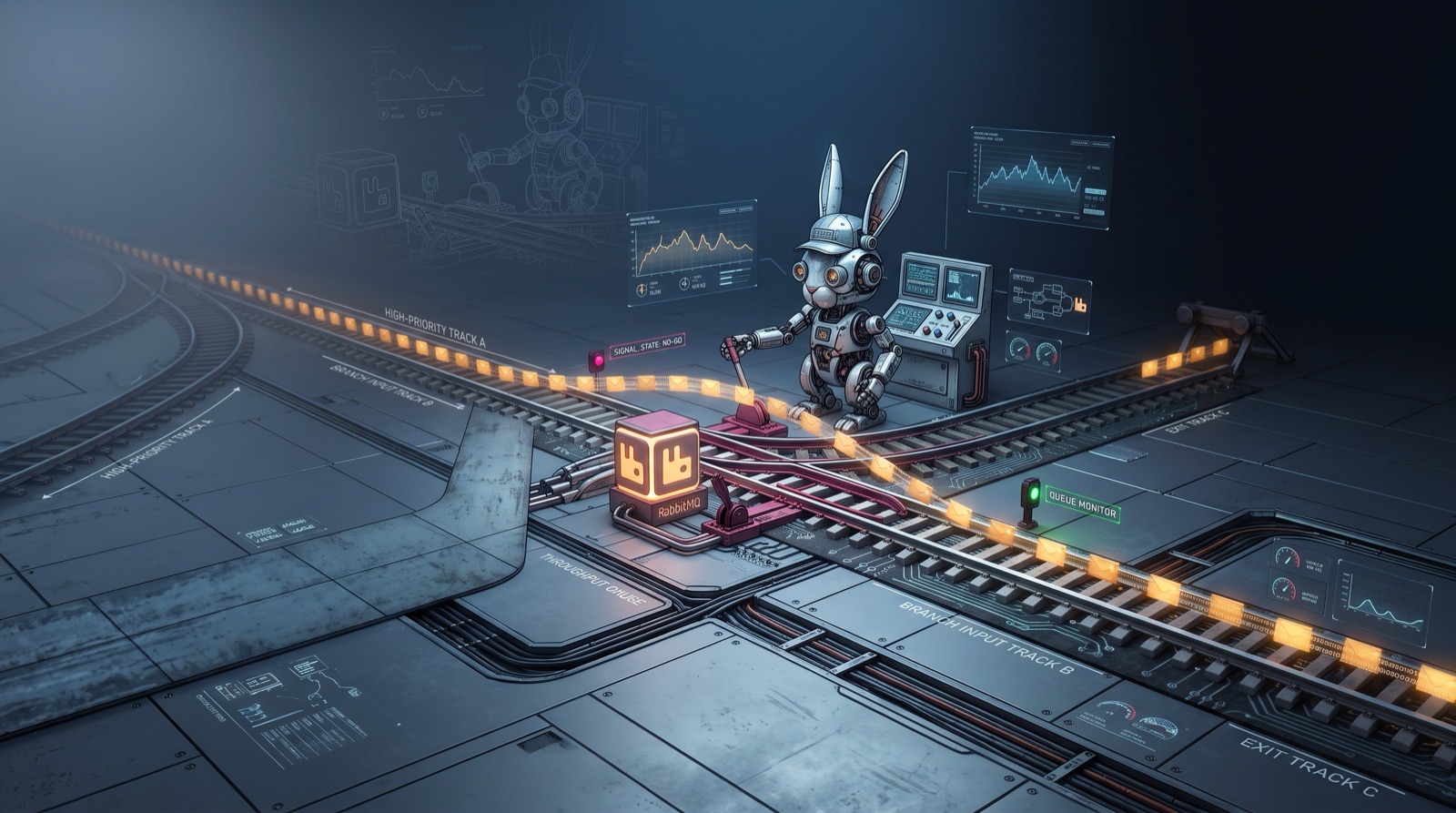
    A queue's arguments are fixed, so changing one means replacing it — moving a routing key while messages are in flight. Done in the right order, every message still reaches exactly one consumer exactly once. The hard part is a question about your topology that you cannot keep answered, so here is how to stop needing the answer.

    Ondřej Pospíšil
    Ondřej Pospíšil
    19 min
  • Less Noise, More Signal: Our Small AI Experiment Meets Monitoring
    engineering

    Less Noise, More Signal: Our Small AI Experiment Meets Monitoring

    A few weeks ago two of our engineers described putting the Boy Scout Rule on a schedule — an AI agent that opens a small refactor every workday. We took the same shape and pointed it somewhere messier: our production monitoring. Here's the Datadog auto-fix playbook, the fixes it actually lands, and why we review these far more carefully than the code ones.
    Jakub Svoboda
    Jakub Svoboda
    9 min
  • Tiny Refactor a Day: small AI Experiment
    engineering

    Tiny Refactor a Day: small AI Experiment

    What happens when you put the Boy Scout Rule on a cron schedule — a few weeks of letting an AI agent propose small refactorings every workday, and the safeguards that make it safe.

    Maroš Vranec & Filip Velemínský
    Maroš Vranec & Filip Velemínský
    12 min