How We Structure Rohlik Tech: Cells, Metrics, and the Thin Layer on Top
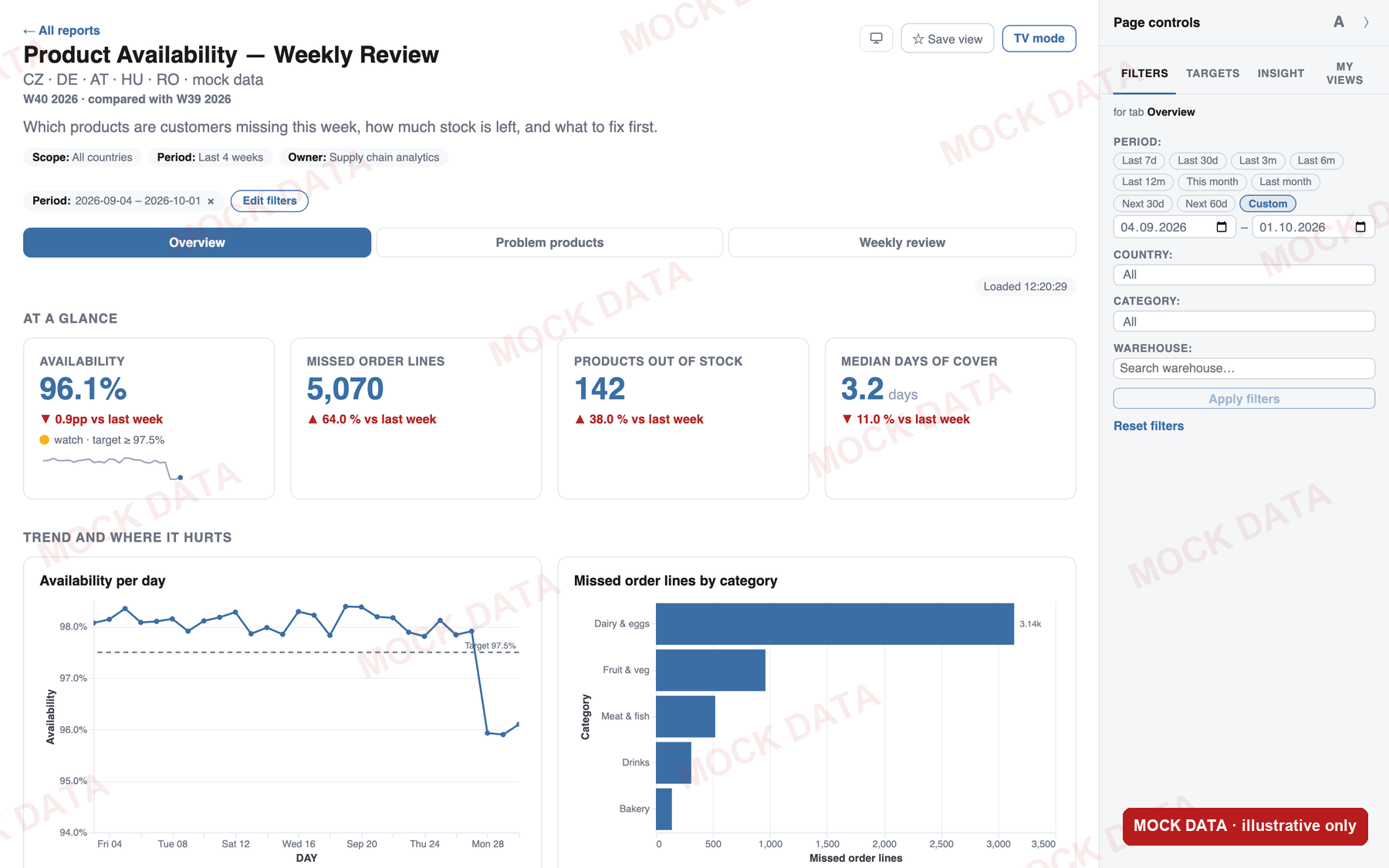
We organize engineering around small cells of 3–5 people, each owning one business metric and a handful of guardrails — here's why and how.

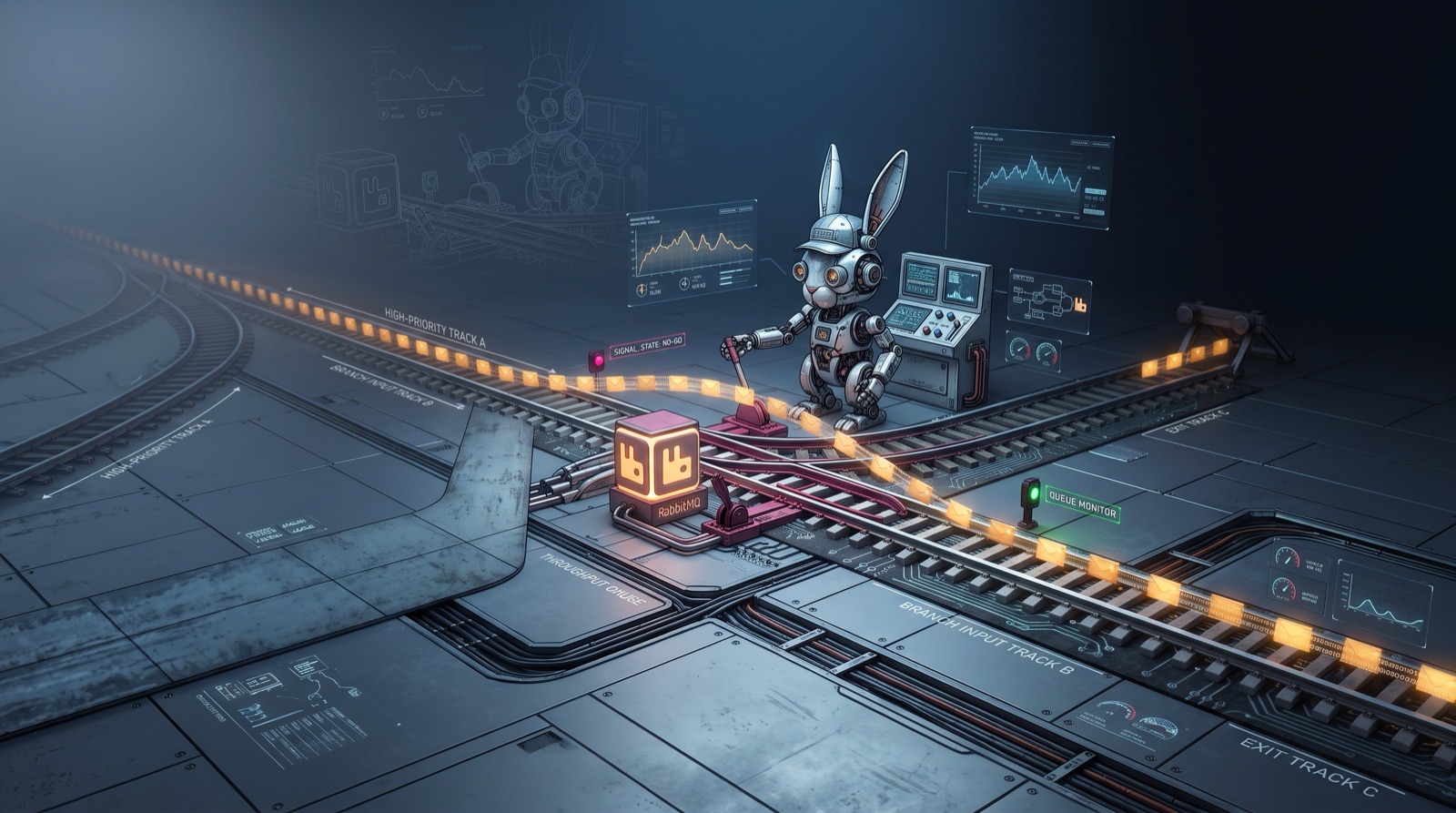
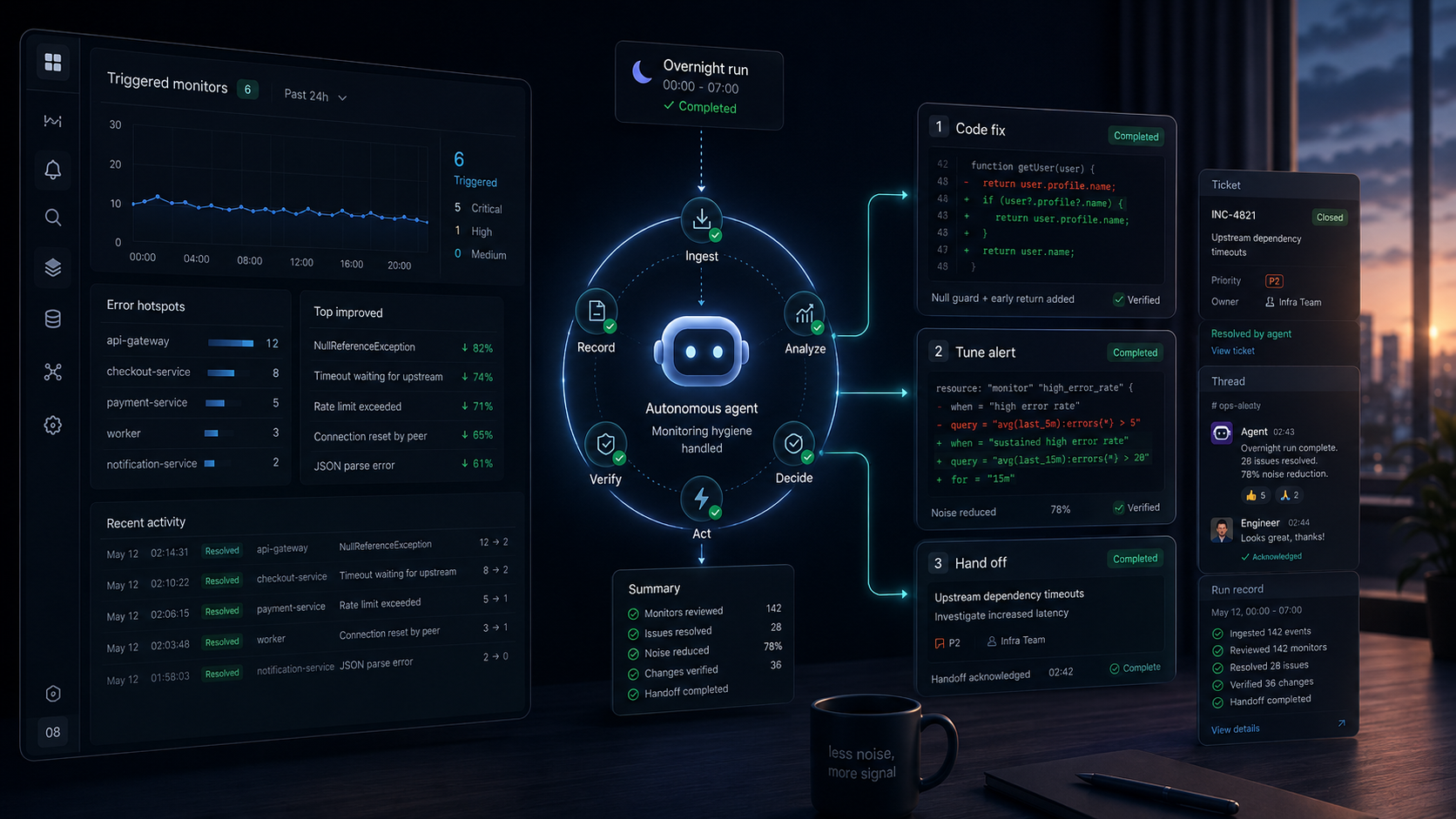
When a P1 hits, an AI agent is already reviewing deployments, scanning logs, and opening a war room before the first human joins. Here's how we built an incident management system where agents do the heavy lifting — from detection to post-mortem.

First in our Show and Tell series — engineers sharing what actually works. Michal Vlcek on how he stopped writing code and started managing a team of AI agents, shipping more than ever before.

CloudSQL for MySQL gives you CPU graphs and connection counts. When something goes wrong you need to know which exact query ran for 3 seconds at 14:07:43, which user triggered it, and which threads were competing for locks. Threads Monitoring captures every query from performance_schema as it executes, with no agents and no schema changes, and produces two self-contained HTML reports for immediate investigation.
A two-part series on the JVM defaults that quietly hurt you in Kubernetes. Part 1 covers GC ergonomics, the JDK 25 Serial GC behaviour change, and why your small containers are silently picking the wrong collector.
Part 1 fixed the collector and sized the heap. This part covers what happens next — native memory leaks from glibc arenas, RSS vs heap diagnosis, and the fixes that actually work.

We were building AI agents for real marketing workflows when we noticed a pattern: every production failure traced back to a system prompt, not the model.